

Following the Government’s announcement of changes to Extended Producer Responsibility (EPR) fees for glass packaging, British sustainable packaging company Frugalpac has warned against policies that could favour energy-intensive glass over lower-carbon alternatives.
Frugalpac CEO Malcolm Waugh said:
“The Government must not confuse making glass cheaper with making drinks packaging greener.
“Just because a bottle can be recycled doesn’t mean it is green. Recyclability is not the same as sustainability. Government-commissioned research has estimated that only around half of UK glass containers are recycled back into glass, with significant quantities ending up in lower-value applications such as aggregates.
“Glass is one of the most carbon-intensive forms of drinks packaging. A standard wine bottle can generate more than 500g of CO₂ emissions, yet the Government is considering measures that could favour glass over lower-carbon alternatives.
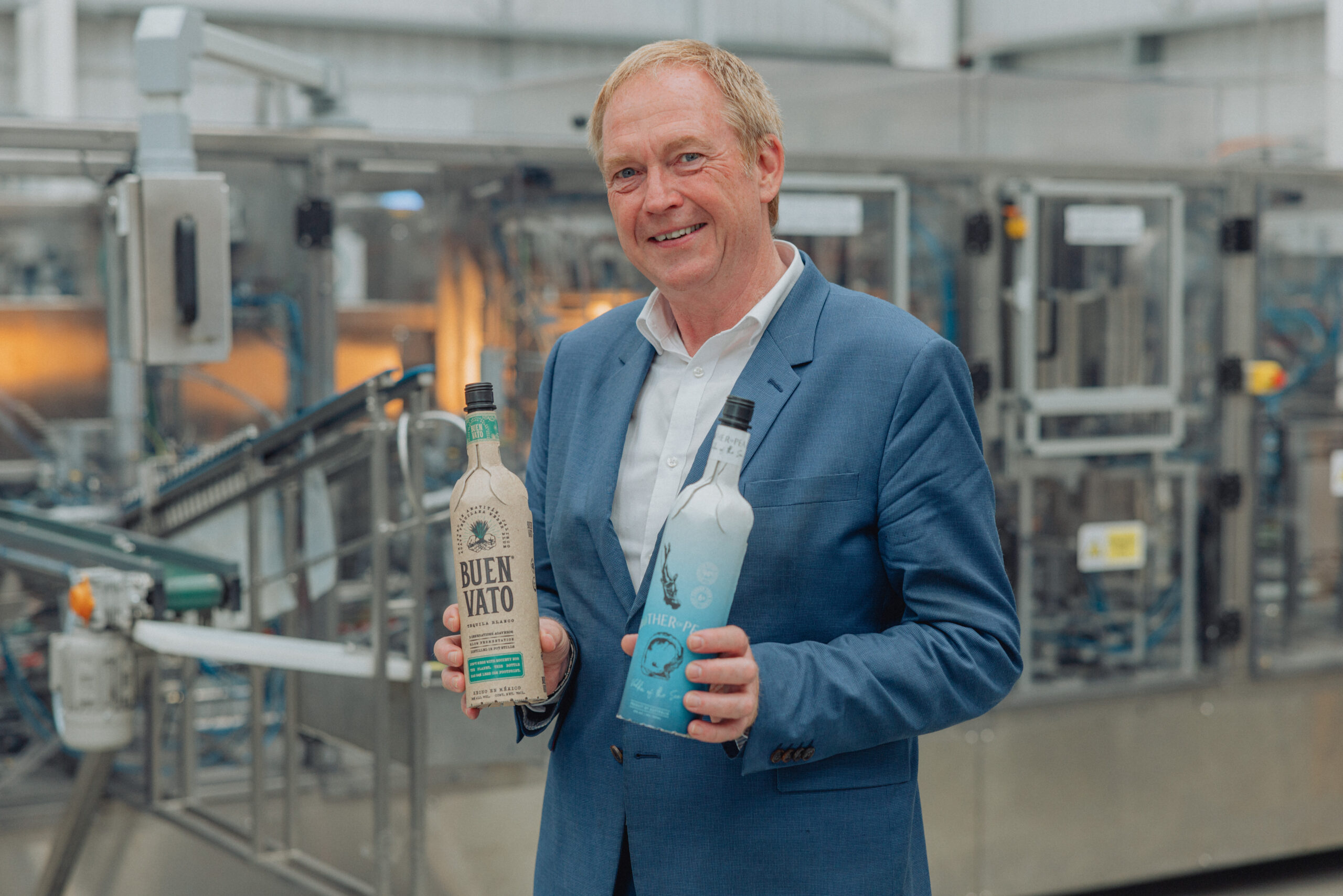
“Our paper Frugal Bottle is made from 100% recycled paperboard, has a carbon footprint up to 84% lower than a glass bottle and is up to six times lighter.
“We have also developed the next generation of machines capable of producing up to 14 million paper bottles a year. This is British innovation that can help decarbonise the global drinks industry.
“We cannot champion green industrialisation on the world stage while making it harder for British green manufacturers to compete at home.
“Britain should be backing the next generation of low-carbon packaging, not protecting the high-carbon packaging of the past.
At Frugalpac, we believe packaging policy must recognise real carbon reductions, not simply whether a material can be recycled.
We’ve already built and sold Frugal Bottle Assembly Machines to customers in the US and Canada, and our next-generation FBAM-2, developed using Siemens automation technology, can manufacture up to 14 million paper bottles annually.
British green innovation is ready to scale. Government policy should help it succeed.